
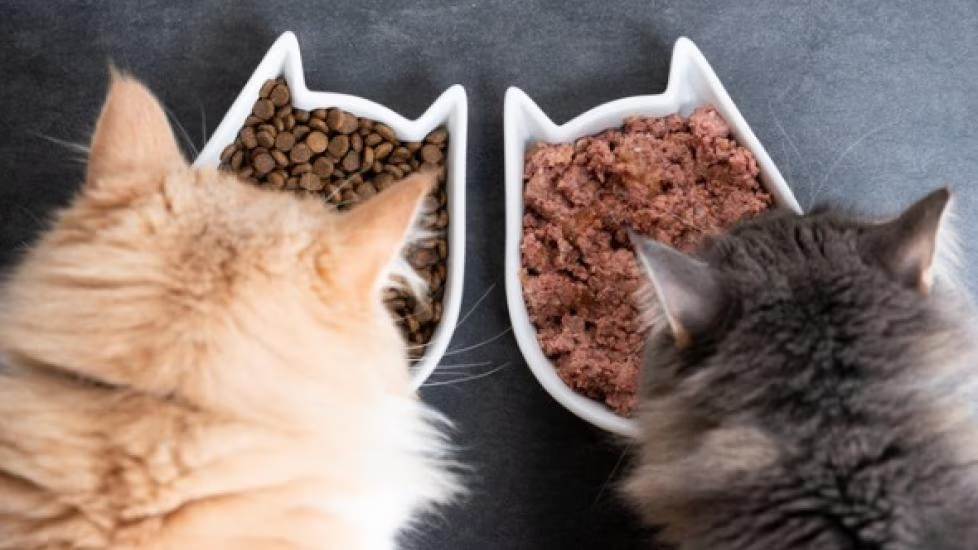
A common question that veterinarians get asked is whether cats should eat canned or dry food. As a cat owner in the U.S., you have thousands of options, but the good news is that most commercial cat foods provide an excellent source of nutrition, whether it’s wet vs dry cat food.
Finding the best food for your cat will depend on several factors, including your cat’s weight, their current health conditions, and your personal budget. Whether to feed dry, canned, or a mixture of both is a decision that you and your veterinarian can make together. Here’s some expert insight on the wet vs dry cat food debate.
What Are the Main Differences Between Wet Cat Food and Dry Cat Food?
There are a few big differences you should notice when comparing these two options:
- Moisture Levels: The main difference between dry and canned cat food is the water content. Dry cat food contains approximately 10% water. Canned food contains much more—approximately 70%. This is vital if your cat has health conditions that benefit from more water intake.
- Manufacturing Process: Canned foods are typically made with fresh or frozen meats blended with water, fats, and vitamins. They are heated in the can to destroy pathogens. Dry food is cooked at high temperatures and pressure to make starches more digestible, then often sprayed with fat to make it palatable.
- Nutrients: Dry cat food typically contains more carbohydrates than canned food. While both provide protein, certain dry formulations may also contain probiotics for gut health.
Should I Feed My Cat Dry or Wet Cat Food? Or Both?
The choice between wet vs dry cat food often comes down to the specific pros and cons of each.
Canned Cat Food Benefits
The largest benefit of feeding a canned diet is the higher water content. Cats with kidney disease or diabetes may benefit from this. Additionally, canned food is highly palatable—perfect if you have a picky eater.
Canned Cat Food Drawbacks
Canned food is often more expensive. Once opened, it has a shelf-life of 24 hours and must be refrigerated. Leaving it out for more than a few hours runs the risk of contamination.
Dry Cat Food Benefits
Dry food is less expensive and great for those on a strict budget. It doesn’t require refrigeration and works well in automatic feeders or puzzle feeder toys (Internal Link Suggestion: Insert link to your own article about cat toys here).
Dry Cat Food Drawbacks
Studies have shown a correlation between obesity and feeding dry cat food, often because cats are “free-fed.” Also, older cats with dental disease may find it harder to chew dry kibble.
The Benefits of Feeding Both
To balance the wet vs dry cat food dilemma, many owners choose a combination. Mixing them or alternating feeding times allows your cat to get the hydration of wet food with the convenience of dry.

Purina Pro Plan Indoor Cat Food LiveClear…

Hill’s Science Diet Multi-Benefit Chicken…

Royal Canin Feline Health Nutrition Adult…
What Do Veterinarians Recommend?
Regardless of your choice, ensure you feed a well-balanced diet. Reputable brands like Science Diet® and Royal Canin® are quality-controlled to meet a cat’s needs. Always look for the AAFCO statement on the label to ensure the diet is nutritionally complete.
Avoid homemade diets unless formulated by a vet; without the right balance of vitamins like taurine, cats can develop heart disease.