Bringing a tiny, purring bundle of fur into your home is one of life’s greatest joys. However, it also comes with the significant responsibility of ensuring they grow up healthy. Feeding your new kitten is the most critical task you will face in their first year of life. Because kittens grow at an incredible rate—sometimes doubling their weight in weeks—their nutritional needs are far more complex than those of an adult cat.
The First Steps: When to Start Feeding Solids

Fresh Step Simply Unscented Clumping Litter, Fresh Step Unscented Cat Litter With Activated Charcoal Technology, 14 lb. Box
The transition from a mother’s milk to solid food is a milestone. Most kittens start this journey while they are still nursing, usually around 5 to 6 weeks of age. At this stage, kittens are naturally curious and often follow their mother’s lead to the food bowl.
The Weaning Process
If you are bottle-feeding or have a nursing mother cat, 5-6 weeks is the time to introduce a mix of wet and dry foods. This allows the kitten to explore textures and flavors at their own pace. By the time they reach 7 to 8 weeks, most kittens are ready for a diet consisting entirely of solid food.
During this transition, it is also essential to manage their environment. For instance, kittens usually start using a litter box at 3-4 weeks old. Using a non-clumping litter, like Fresh Step Premium Scented, is recommended during these early weeks for safety.
Wet vs. Dry: What is Better for Your Kitten?
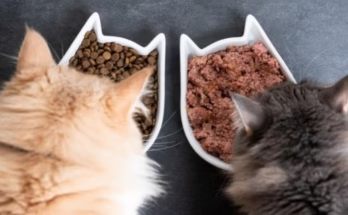
One of the most debated topics in feeding your new kitten is choosing between canned (wet) food and kibble (dry). The truth is, both have distinct advantages, and often, a mix is the best approach.
The Benefits of Wet Kitten Food
Wet food is a favorite for many veterinarians because:

Hill’s Science Diet Healthy Cuisine, Adult 1-6, Wet Cat Food, Roasted chicken & Rice Stew, 2.8 oz Can, Case of 24
- High Moisture Content: It ensures your kitten stays well-hydrated, which is vital for kidney and urinary health.
- Easy Mixing: You can easily stir in supplements like fish oil or kitten probiotic powders.
- High Palatability: The strong aroma makes it very appetizing, especially if a kitten has a cold or a low appetite.
The Benefits of Dry Kitten Food

Hill’s Science Diet Kitten, Kitten Premium Nutrition, Dry Cat Food, Chicken Recipe, 7 lb Bag
Dry food is a staple in many U.S. households for several reasons:
- Dental Health Support: The hard kibble helps scrape plaque and tartar off teeth as the kitten chews.
- Mental Enrichment: You can use dry food in cat puzzle toys to stimulate their minds and keep them active.
- Convenience and Cost: It is generally more budget-friendly and can stay fresh in a bowl longer than wet food.
Finding the Best Kitten Food Brands
When you are feeding your new kitten, quality matters more than quantity. Experts recommend looking for major brands like Purina, Hill’s, Royal Canin, or IAMS. These companies perform extensive research and feeding trials to ensure their formulas actually perform as intended.
Look for the AAFCO Seal
Before buying, check the label for the AAFCO (Association of American Feed Control Officials) statement. This ensures the diet is “complete and balanced” for a kitten’s specific life stage. A high-quality kitten food must include:
- Protein and Fats: Essential for rapid muscle and tissue growth.
- DHA and EPA: Omega-3 fatty acids that are critical for brain and eye development.
- Vitamins E and C: Key nutrients for building a strong immune system.
How Much to Feed: The Calorie Breakdown
Knowing the volume of food is just as important as the type. Feeding your new kitten the right amount of calories prevents both malnutrition and early-onset obesity. A kitten’s weight is the best indicator of how many calories they need.
Average Kitten Feeding Chart
Please note that these are general guidelines. Breed size and energy levels can change these requirements.
| Age | Weight | Average Daily Calories | Feeding Frequency |
| 2 Months | 2 lbs | 150 kcal | 3 meals per day |
| 4 Months | 4.5 lbs | 300 kcal | 3 meals per day |
| 6 Months | 6.5 lbs | 400 kcal | 2 meals per day |
| 8 Months | 7.5 lbs | 440 kcal | 2 meals per day |
| 11 Months | 10 lbs | 540 kcal | 2 meals per day |
Important Tip: Different foods have different calorie densities. For example, Hill’s Science Diet Kitten Dry Food has 568 calories per cup, while Purina Pro Plan Shredded Blend has 409. Always read the specific feeding guide on the back of your chosen brand.
Establishing a Feeding Schedule
Kittens thrive on routine. When they are 4 months or younger, they should ideally eat three times per day. Once they pass the 4-month mark, you can usually reduce this to two meals.
Some owners prefer to “free-feed” dry food, but this makes it harder to monitor if your kitten is eating too much or too little. Monitoring their appetite is key to catching potential health issues early.
The Transition to Adult Food
Your kitten’s high-calorie needs will eventually level off. Most cats are ready to switch to adult maintenance food around 12 months of age.
How to Transition Safely
Do not switch foods overnight, as this can cause stomach upset. Use the following steps over about 6 days:
- Days 1-2: Mix 25% adult food with 75% kitten food.
- Days 3-4: Mix 50% of each.
- Days 5-6: Mix 75% adult food with 25% kitten food.
- Day 7: Feed 100% adult food.
Expert Recommendations: Top Kitten Food Picks
If you are looking for specific recommendations for feeding your new kitten, here are some vet-vetted options:
- Hill’s Science Diet Kitten Healthy Development: Features prebiotics for sensitive stomachs and is highly digestible.
- Purina Pro Plan Kitten Shredded Blend: Includes live probiotic cultures and real meaty pieces for picky eaters.
- Royal Canin Feline Health Nutrition Thin Slices in Gravy: A wet food option specifically textured for easy chewing.
Final Thoughts for New Owners
Feeding your new kitten is a journey of discovery. By choosing AAFCO-approved brands, maintaining a consistent schedule, and providing a mix of wet and dry food, you are giving your kitten the best possible start in life.
Always consult your veterinarian to tailor these portions to your cat’s unique frame and health history. With the right nutrition, your tiny kitten will soon grow into a majestic, healthy adult cat.